


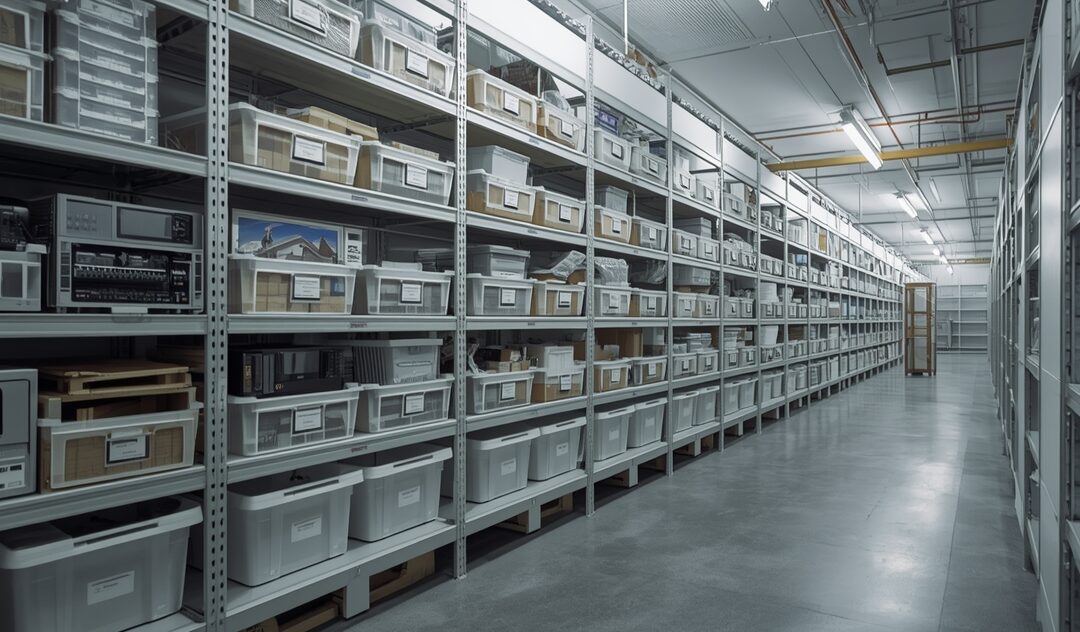
Why Humidity Is So Damaging
Humidity affects materials slowly, making it easy to underestimate its impact. Moist air can cause:
Condensation inside electronics
Mold and mildew on paper, fabric, and artwork
Warping of wood, canvas, and frames
Ink bleeding or fading on documents and prints
Corrosion on metal components
Even indoor spaces without proper climate control can trap moisture, accelerating deterioration over time.
What Air-Conditioned Storage Controls
Air-conditioned storage provides a consistent indoor environment by:
Maintaining lower, stable temperatures
Reducing humidity levels
Improving air circulation
Minimizing day-to-night fluctuations
This consistency is essential for electronics, documents, and artwork that are sensitive to temperature and moisture changes.
Protecting Electronics
Heat and humidity can shorten the lifespan of devices, even when they’re turned off. Risks include:
Internal condensation harming circuits
Corrosion on connectors and metal parts
Battery degradation
Brittle plastic components
Climate-controlled storage reduces these risks, ensuring devices like computers, cameras, audio equipment, and appliances remain functional when retrieved.
Preserving Documents and Records
Paper is surprisingly fragile in humid conditions. Important items at risk include:
Legal and financial documents
Medical records
Blueprints and architectural plans
Photographs and albums
Books and manuscripts
Stable temperature and humidity prevent curling, discoloration, mold, and ink damage—safeguarding information and irreplaceable materials.
Protecting Artwork
Artwork often combines wood, canvas, paint, and adhesives, each reacting differently to environmental changes. Without consistent conditions, you may see:
Canvas sagging or tightening
Paint cracking or flaking
Frame warping
Mold growth on organic materials
Air-conditioned storage preserves paintings, prints, sculptures, and mixed-media pieces, protecting long-term value and appearance.
Why Ventilation Alone Isn’t Enough
Some facilities rely on airflow without climate control. While ventilation helps, it doesn’t actively manage humidity. Moist air can still circulate freely, temperature spikes can occur, and long-term damage may accumulate. Air-conditioned storage removes moisture as part of the cooling process, creating far more reliable protection in humid climates.
Urban Storage and Climate Control
In cities like Miami, storage often doubles as an extension of home or workspace. Facilities such as Brickell storage Miami Florida allow residents to safely store electronics, records, and personal collections. Climate-controlled units ensure everyday items stay protected, not just seasonal or rarely used belongings.
Seasonal and Transitional Storage
Moves, renovations, downsizing, or temporary relocations often extend storage periods beyond initial plans. Air-conditioned units reduce the risk of returning to damaged belongings, whether for families, students, or professionals using facilities like Aventura self storage.
Specialized Storage Needs
Climate control is essential for items like wine, coins, musical instruments, textiles, and collectibles. Proper temperature and humidity prevent spoilage, maintain quality, and protect investments over time.
Businesses Rely on Air-Conditioned Storage
Companies store records, electronics, and inventory that cannot withstand environmental damage. Controlled units help:
Protect digital and paper records
Preserve equipment and machinery
Maintain inventory quality
Reduce replacement and repair costs
Long-Term Cost Savings
While air-conditioned storage may cost more initially, it prevents costly repairs, replacement, and restoration. In humid climates, prevention is far more affordable than recovery.
Choosing Storage With Climate in Mind
When selecting a unit, ask:
Is the unit air-conditioned year-round?
How is humidity managed?
Are conditions monitored regularly?
Is the facility designed for local climate challenges?
Decisions based on protection rather than convenience lead to better long-term outcomes.
Protecting What Matters
Electronics, documents, and artwork carry financial, practical, and emotional value. In humid regions, air-conditioned storage preserves function, appearance, and integrity. For peace of mind and reliable protection, explore Xtra Storage Companies and their climate-controlled options designed for sensitive and long-term storage.